Catalogue · 27 products

Pure Sinewave Power Inverters

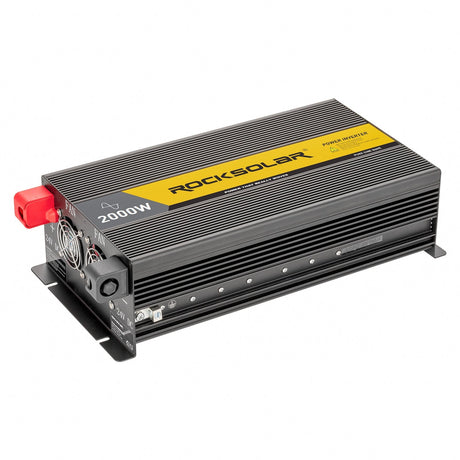
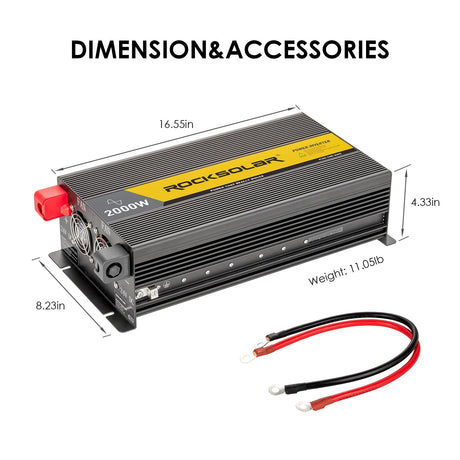
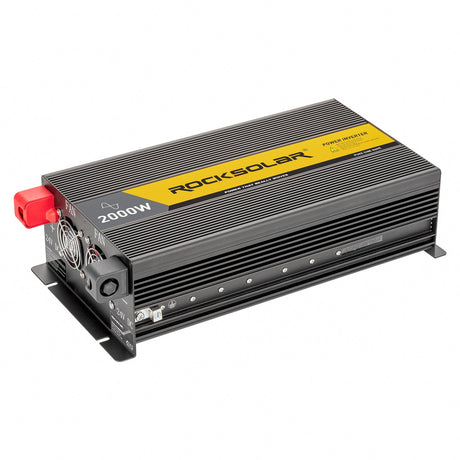
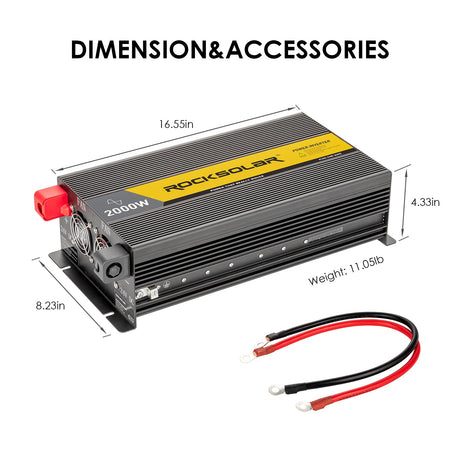
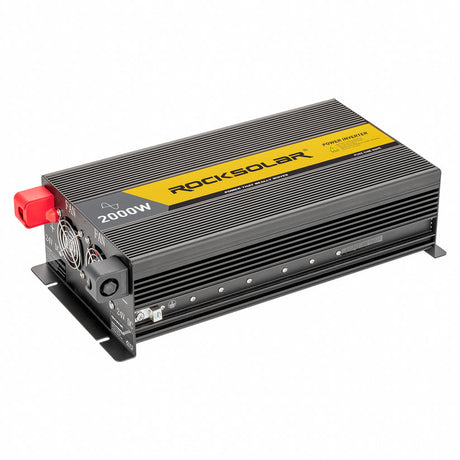
Pure sine wave inverters for 12 V and 24 V battery banks: 2,000 W and 3,000 W of 120 V AC for an RV, boat, van or cabin. Pure sine wave means motors, compressors, microwaves and electronics run exactly as they would on the grid, without the buzz or overheating that a modified-wave inverter causes.

Read moreRead less

Size the inverter to the largest load you will run at once, with headroom for motor start-up surges, and size the battery to feed it: a 3,000 W inverter at 12 V draws around 250 A flat out, which calls for short, heavy cable and a fuse at the battery. The 2,000 W 24 V model halves that current for the same power, which is why larger systems move to 24 V or 48 V.

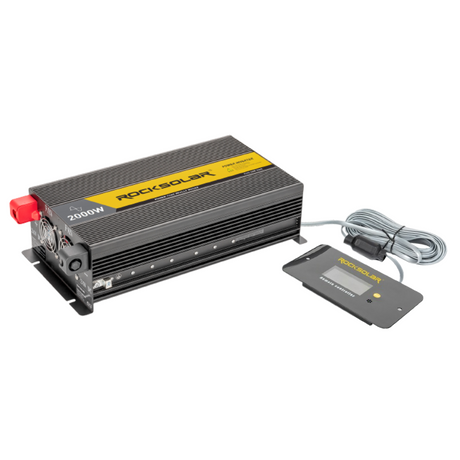
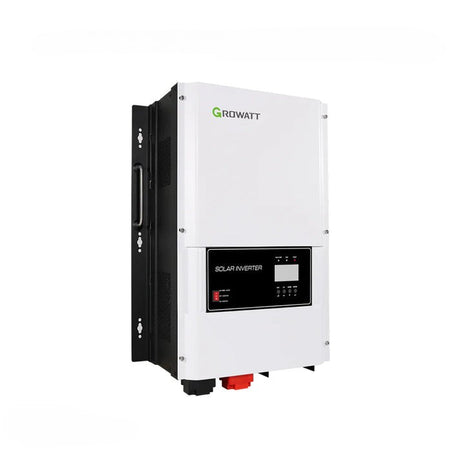
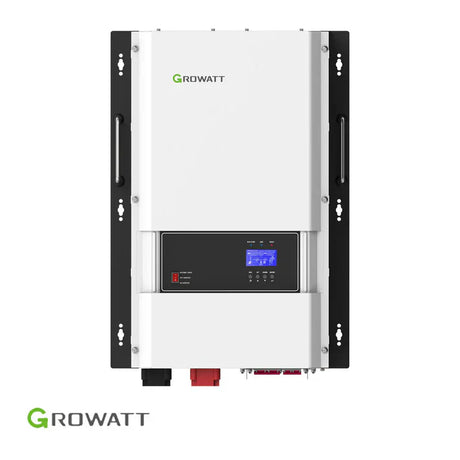
A wired remote panel is available for the 2,000 W and 3,000 W units. For a house on a 48 V bank with split-phase 120/240 V output, see the residential off-grid inverters.

Pure Sinewave Power Inverters
View as

Choose an inverter for how you use power

Inverter typeBest forConfirm before ordering
Pure sine wave inverter (12V/24V)Running AC appliances from a battery in an RV, boat, van or cabinBattery voltage matches; continuous watts cover your loads together; surge covers motor starts
Off-grid solar inverterHomes and cabins with no grid connectionBattery voltage, PV input voltage and current limits, 120V or 120/240V split-phase output
Hybrid inverterGrid-connected solar with battery backupBattery compatibility list, backup output and utility interconnection requirements
Grid-tie inverter or microinverterSolar that feeds the grid with no batteriesUtility approval; does not supply power during an outage unless the listing says so

Add up the watts of everything that can run at the same time, then allow headroom. Motors, pumps, compressors and well pumps can draw several times their running watts for a moment when they start. That figure must fit within the inverter's surge rating.

Not included unless listed

  • Batteries, solar panels and charge controllers
  • DC cables, fuses, breakers and disconnects
  • Transfer switch, permits, electrician and installation
Do I need 120V or 120/240V split-phase?

Most plug-in appliances use 120V. Well pumps, ranges, dryers and many home panels need 240V, which requires a split-phase inverter or stacked units.

Can a grid-tie inverter power my home during an outage?

Standard grid-tie inverters shut down when the grid goes down. For backup, choose a hybrid or off-grid inverter with batteries.

What size cable do I need on the battery side?

It depends on the inverter's maximum DC current and the cable length. Follow the inverter manual and have high-current DC wiring checked by a qualified installer.

12V/24V pure sine wave inverters · Off-grid home inverters · Hybrid inverters · Grid-tie inverters · Size a system

Talk through your solar project

Common questions

Before you order.

If yours isn't here, ask an engineer. It costs nothing and it's the step most people skip.
What if I'm not sure this is the right product?

Ask before you order. Send us what you need to run, or your pool or well figures, and an engineer will confirm the choice — it costs nothing. Or use the finder below, which sizes from what you actually run and shows its reasoning.

You’re shopping ROCKSOLAR US: prices in USD, shipping within the United States. In Canada? Shop rocksolar.ca →

Compare /3

Loading...